
Garba of Gujarat: A First-Time Participant’s Guide Beyond the Reel
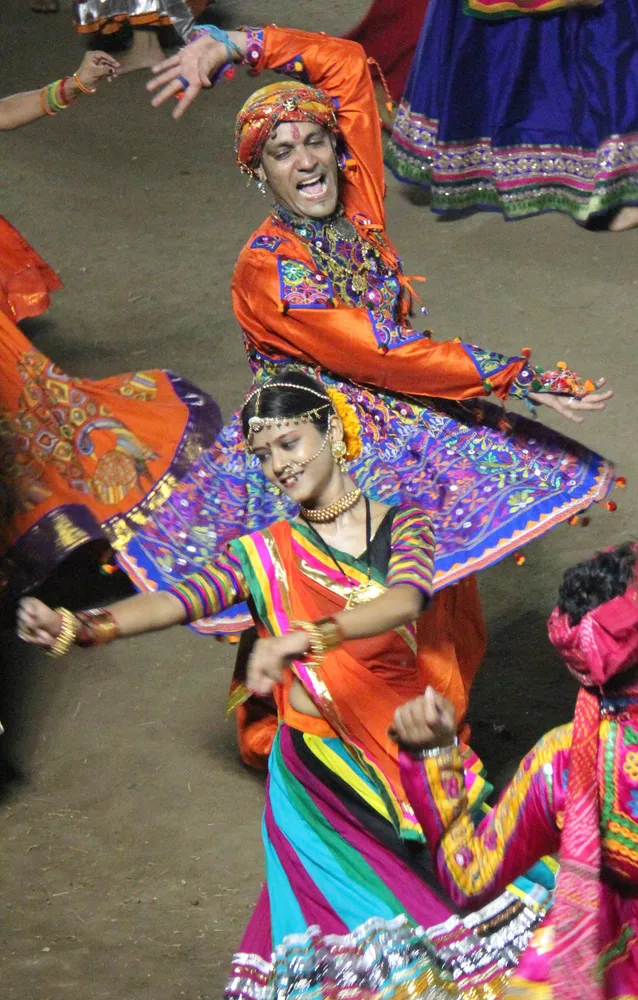
Understand why the gathering matters
Garba is a living tradition, not just a synchronised dance backdrop. UNESCO’s announcement of 6 December 2023 records Garba of Gujarat’s inscription on the Representative List of the Intangible Cultural Heritage of Humanity. It describes a devotional practice associated with Navratri and the worship of Shakti, expressed in settings ranging from homes and courtyards to public grounds. That context matters even at a large organised event. For a newcomer, the aim is to participate attentively in the setting you have joined, not to assume every gathering follows the same format.
Choose learning before performing for a camera
A beginner-friendly practice session can be a better introduction than entering a crowded circle without knowing the pattern. Ask the organiser or teacher what level the session suits, what it covers and whether you need any prior experience. Explain if you are starting from scratch. Watch a full sequence before trying to copy its fastest moment, and follow the teacher’s direction rather than treating a short online clip as a complete lesson. You do not need a complicated routine to enjoy taking part with other people.
Check the actual event, not last year’s post
This is not a listing of 2026 events and does not confirm ticket availability. For any gathering you choose, verify the date, location, admission conditions and current organiser contact through its official channel. Ask about bags, footwear, transport and the arrangements your group needs. Share the exact meeting point with friends and agree on a return plan. If someone sends an old promotional reel, check that its venue and terms still apply before making a payment or inviting others to rely on it.
Wear what lets you move comfortably
Choose clothing and footwear that let you walk and turn without constantly adjusting them, while respecting the particular gathering’s expectations. Check the length and fit before leaving rather than discovering a problem in a moving group. Keep jewellery, bags and loose accessories manageable. If you are borrowing or buying an outfit locally, ask about fit, closures, returns or rental conditions as relevant. A garment’s traditional appearance does not by itself establish where it was made; ask about the actual maker when that is part of your buying decision.
Join in without disrupting the circle
Ask where beginners should enter and follow the direction and spacing used by that group. Wait for a suitable opening rather than cutting through people who are moving. If you lose the sequence, step out where it is safe and watch again. Follow instructions during devotional moments and accept that recording may be restricted. These are editorial participation suggestions, not a substitute for a teacher’s instruction or the organiser’s rules. The people beside you are fellow participants, not extras for a personal video.
Tell a story that credits people as well as clothes
If filming is allowed, keep the camera away from circulation routes and ask before featuring an identifiable dancer prominently. Credit a teacher, performer or maker when you discuss their work, using the name and role they confirm. Do not label this article’s archival Vadodara photograph as a current Ahmedabad event. A useful reel can explain one thing you learned, the source behind a cultural fact and how you participated respectfully. Heritage recognition belongs to the tradition; it is not an endorsement of a commercial organiser, costume shop or creator.