
Gujarati Thali: How to Order, Taste and Avoid Wasting a Good Meal
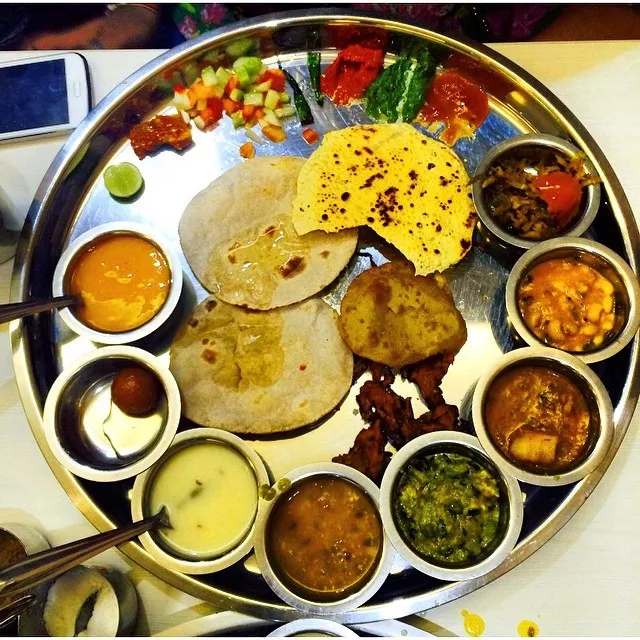
Think of a thali as a meal structure
A Gujarati thali brings several preparations together rather than relying on one main dish. Gujarat Tourism’s overview includes farsan, vegetable preparations called shaak, pulses, dal or kadhi, rice or khichdi, and sweets among the possible components. That is an introduction to the format, not a fixed menu every household or restaurant must follow. Ask what is being served on the day. Seasonal choices, the kitchen’s style and the service format can make one thali different from another without either needing to represent all of Gujarat.
Learn a few names before ordering
At its simplest, shaak refers to a vegetable preparation, while farsan describes savoury snack items within the meal. Gujarat Tourism describes kathol as prepared pulses such as beans or chickpeas, and identifies kadhi as a yogurt-based preparation. Use those names to ask what is in a bowl rather than guessing from colour. A menu may also list items separately from the thali, so clarify whether the dish that caught your attention is included. If a server names an unfamiliar preparation, ask for a short explanation before accepting a large serving.
Ask what the package means
A thali price may refer to a fixed serving, a particular refill arrangement or another service format. Do not assume that every component is unlimited or that a child’s portion is available. Before sitting down, confirm the current menu, the amount payable, what can be refilled and whether beverages or additional sweets are charged separately. For a group, share those answers before ordering. This guide does not quote a price or recommend a restaurant because it is not based on a recent meal purchased by the editorial team.
Start small and make the second serving intentional
If the service allows it, request modest initial portions while you learn what you enjoy. Ask for more of the dishes you actually want rather than accepting a refill automatically. Let the server know politely when you have enough. People sharing the table can discuss flavours without passing around food in a way that conflicts with the restaurant’s rules or someone’s dietary needs. The aim is a comfortable meal, not finishing every bowl for a photograph. A full-looking plate is not a useful measure of how much you should eat.
Resolve ingredients with the kitchen
A broad cuisine label cannot answer a specific ingredient question. Explain any allergy and ask about both the preparation and shared handling; if the kitchen cannot clarify the risk, do not rely on the dish name as reassurance. For other dietary requirements, ask directly about the items that matter, including dairy or the ingredients in garnishes and sweets. A tourism description is background, not the recipe used at your table. Keep your questions specific so the staff can give an answer about the actual meal rather than the cuisine in general.
Remember the meal accurately when you recommend it
Note the restaurant, date, service format and dishes you actually tried before posting a review. Distinguish personal taste from a claim about every Gujarati thali. If the meal was gifted or part of a promotion, disclose that relationship visibly. The archival photograph here illustrates variety on a plate; it does not identify a venue we visited or guarantee what anyone will be served today. A useful local recommendation explains the experience honestly, with enough detail for the next diner to ask the right questions.