
Jama Masjid Ahmedabad: Architecture, History and Respectful Visiting
Understand the place before the photograph
Jama Masjid is both an architectural landmark and a place of worship. Gujarat Tourism dates its construction to 1423 under Ahmed Shah and locates it on MG Road in Ahmedabad. Approaching it with that context changes the visit: the building is not simply a backdrop for a reel. Its religious purpose and the routines of the people using it deserve attention alongside its historic significance.
Look at the courtyard and structural rhythm
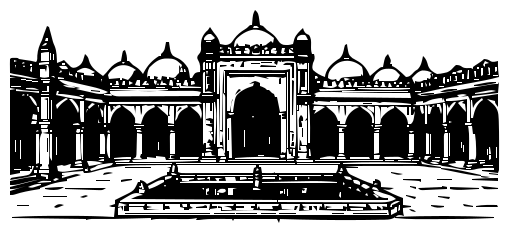
Gujarat Tourism highlights the large courtyard and the prayer hall’s columns and domes. Begin with the relationship between open and covered space, then notice the repetition of supports and the way details appear as you move. You do not need technical architectural vocabulary to appreciate these patterns. If you want a deeper historical interpretation, consider asking a qualified local guide rather than relying on an unsourced social-media explanation.
Plan respectful access
Before your visit, confirm current visitor access and photography rules. Choose modest clothing and follow instructions at the entrance about footwear and permitted areas. Do not interrupt prayer or assume that access for sightseeing is available at all times. Where a rule is unclear, ask politely. The right approach is to adapt your visit to the place, rather than expect the place to adapt to your content schedule.
Connect it with an Old City walk
The mosque can form part of a wider exploration of Ahmedabad’s historic centre. Plan a limited set of stops and allow time for navigating streets, listening to a guide and taking breaks. Keep your route realistic for the people travelling with you. A map can show proximity, but it cannot tell you how comfortable a route will be for your group on a particular day. Check locally when you arrive.
Tell the story carefully
For a blog or reel, separate sourced history from personal observations. Avoid presenting an architectural detail as proof of a sweeping religious or historical claim. Name your source when discussing construction dates, and acknowledge uncertainty when a story is a local tradition rather than a documented fact. Beyond Soch’s approach to local storytelling is to make the people and context visible, while leaving visitors with useful information and respect for the setting.