
Handvo: Understanding Gujarat’s Savoury Cake Through Texture and Ingredients
Start with the dish, not a health claim
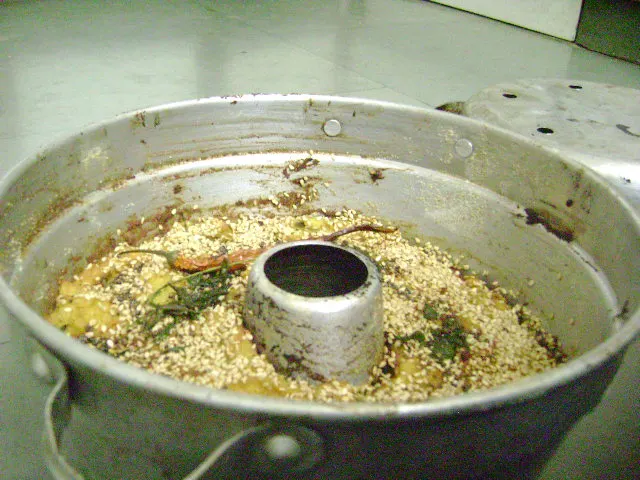
Gujarat Tourism describes handavo, also commonly written handvo, as a savoury baked cake made with rice, lentils and vegetables. Its overview names ingredients such as bottle gourd, carrots and fenugreek, with spices and a tempering that can include mustard and sesame seeds. That is enough to introduce the dish without promising that every kitchen follows the same recipe. It also avoids turning a familiar homemade food into an unsupported claim about nutrition, suitability for a diet or the health of a person eating it.
Look at the cross-section as well as the surface
When you have a serving in front of you, notice the outside and the cut interior separately. How thick is the piece? Which ingredients can you see, and which would need an explanation from the cook? Compare your observation with the description supplied by that kitchen rather than judging every version against a single online photograph. A browned surface does not tell you the complete cooking method, and an image cannot establish freshness. Describing the actual serving carefully is more useful than awarding an authenticity label from appearance alone.
Ask a cook about choices, not a secret formula
A willing home cook or small food business may be able to explain why they choose a particular vegetable, cut a serving a certain way or pair it with a specific accompaniment. Ask one concrete question and let them decide how much of the recipe they want to share. Do not turn an informal explanation into a claim that you watched the entire preparation. If you are creating a food feature, confirm which version is on camera and whether a garnish or side dish is included in the item being sold.
Make a tasting note that another person can understand
Use a few precise observations: the size of the portion, the contrast between the edge and centre, the seasoning you personally noticed and the accompaniment served with it. Keep a subjective reaction separate from an ingredient fact. If you cannot identify something, ask rather than guess. For a dietary requirement, the kitchen’s actual ingredients and preparation matter more than the dish’s general reputation. This is not a recipe or a storage guide; ask the maker for instructions that apply to the product you buy.
Give local kitchens useful credit
If you recommend a purchase, record the kitchen’s public name, the date and the version you tried. Ask permission before filming a private kitchen or revealing a collection address that is not intended for public use. Credit a cook’s explanation in their own role, without inventing family generations, awards or a business history. Disclose a gifted or paid feature. Beyond Soch has not tasted a particular seller’s handvo for this article; the purpose is to make an everyday Gujarati dish easier to understand and discuss without turning research into a fabricated review.