
Kutchi Dabeli: A First-Time Ordering and Tasting Guide
Start with the meaning and structure
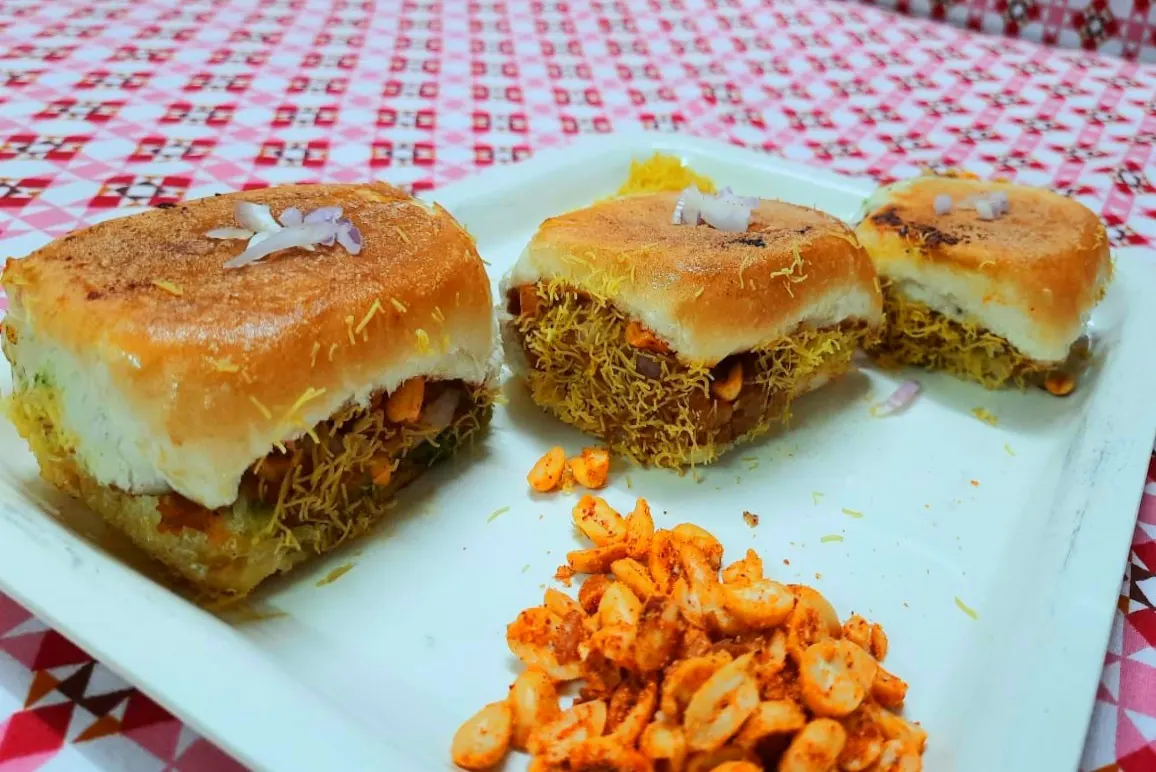
Gujarat Tourism explains that dabeli literally means pressed in Gujarati and describes the Kutchi snack as spiced mashed potato enclosed in ladi pav. That basic architecture is visible in every bite: soft bread, a warm or room-temperature filling, chutney, crunch and garnish compressed into a compact serving. It is more useful to understand those layers than to look for one universal appearance. Vendors may assemble, toast and garnish their dabeli differently, so treat variation as a question to explore rather than an automatic flaw.
Identify the official core ingredients
The tourism description mentions dabeli masala, mashed boiled potato, pomegranate, roasted peanuts and chutney made with tamarind, dates, garlic and red chillies. Use that as a reference, not a guarantee for every stall. Recipes can change and some components may be omitted or substituted. If you have allergies or dietary restrictions, ask the specific vendor about peanuts, sesame, dairy, garlic, gluten and cross-contact before ordering. A photograph or general guide cannot confirm the contents of the batch in front of you.
Choose a sensible spice level
Heat does not come only from the potato mixture; chilli-garlic chutney and finishing masala can change the balance quickly. Ask for less spicy, regular or extra spicy according to what the stall actually offers. If this is your first dabeli, start with the vendor’s standard version and request extra chutney separately. That makes it easier to notice the sweet-sour tamarind-and-date note, roasted peanut texture and potato seasoning without one element dominating the first bite.
Watch the assembly before filming
Where the preparation area is visible and filming is allowed, observe the order: bread, filling, chutneys, garnishes, pressing and any final toasting. Confirm the names of ingredients with the maker instead of guessing from colour. Keep the phone out of the service path and never place equipment on a food counter without permission. A clean overhead shot and one side view of the filling usually communicate more than an intrusive close-up beside the cook’s hands.
Use texture words instead of rankings
Describe the particular serving: soft pav, creamy or chunky potato, crisp sev, roasted peanut crunch, sweet-sour chutney or a sharp chilli finish. Do not call a stall Ahmedabad’s best or Kutch’s most authentic without reliable evidence. If you paid for the food, say what you ordered; if it was gifted or part of a collaboration, disclose the connection clearly. A precise tasting note helps the viewer decide whether the combination suits them without turning personal preference into a citywide verdict.
Order for takeaway with care
Dabeli can lose contrast when bread, chutney and filling sit together for a long time. Ask the vendor how soon they recommend eating it and whether wet chutney can be packed separately. For a group order, confirm quantity, preparation timing and packaging directly. Do not invent a safe storage period or reheating instruction. Food safety and product quality depend on the actual ingredients, temperature and kitchen process, which only the seller can address for that batch.
Make the local-food story useful
A strong Beyond Soch dabeli reel can follow six beats: storefront with permission, ingredient confirmation, assembly, cross-section, one specific tasting observation and the vendor’s exact location or ordering method as currently verified. Date the footage because menus and availability change. Keep the maker’s name visible and avoid replacing their explanation with generic internet trivia. The result supports a local business while giving the audience practical questions they can use at any dabeli counter.