
Sabarmati Ashram: A Thoughtful Guide to the Museum and Its Stories
Begin with the museum, rather than a checklist
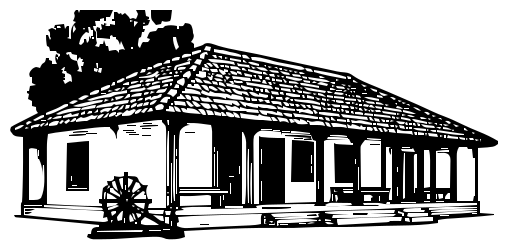
A visit to Sabarmati Ashram can become more meaningful when you choose a question to explore: how Gandhi lived, how ideas were communicated or how a historical place is interpreted for visitors today. The Ashram’s official digital guide identifies the Gandhi Memorial Museum as a building designed by Charles Correa and inaugurated on 10 May 1963. That gives you two useful lenses for the visit: the history presented inside and the architecture used to present it.
Use the official guide to choose your focus
The Trust’s tour-site listing includes Hriday Kunj, Magan Niwas, Upasana Mandir and the museum, among other places. Use that listing to understand the names before you arrive. Select a few stops you particularly want to understand, rather than treating every listed space as a required photo opportunity. Access can change, so use the current visitor instructions to decide what can actually be included on your day.
A practical way to read an exhibition
Begin a gallery with its introductory panel. Look for the date, the people involved and whether an item is an original, a reproduction or an interpretation. Choose one object or document and spend enough time to understand its context. If you are visiting with children, ask them what they notice before providing an explanation. A focused conversation about one exhibit can be easier to remember than a hurried reading of every panel.
Prepare for the visit you intend to make
Check the official visitor information before travelling, including any temporary works, entry arrangements and rules for bags, photography or recording. Carry water and choose footwear suitable for walking. If someone in your group needs step-free access, confirm the route for the specific spaces you want to see. Do not assume that a general description of the site guarantees access to every building or gallery.
Connect local storytelling with careful attribution
When turning the visit into a post, identify where historical information came from. Keep your own reflections separate from quotations, and do not place a modern opinion in Gandhi’s voice. A useful story might explain one exhibit, its context and the question it raised for you. If you discuss local craft or products afterward, assess the actual maker and product on their own merits rather than claiming the Ashram endorses a business.
Before you leave
Note the title of an exhibit you want to research further and save the official digital-guide link. The most useful takeaway need not be a large photo collection: it can be a clearer understanding of one document, one architectural choice or one historical event. This is a planning guide based on official material, not a first-person account of a recent visit.