
Sidi Saiyyed Mosque: How to Appreciate Ahmedabad’s Famous Jali
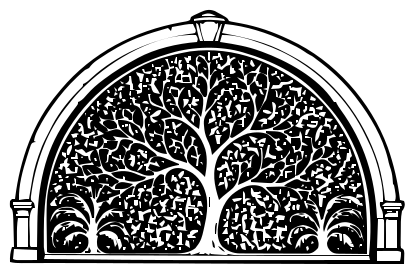
Look beyond a familiar city symbol
Sidi Saiyyed Mosque is often associated with its finely worked stone screens. Gujarat Tourism describes the interwoven tree branches in its jali windows and notes that the mosque remains a place of prayer. Those two facts belong together. The carving deserves attention as craftsmanship, while the building’s daily religious use should shape how visitors behave. A short, attentive stop can be more rewarding than a rushed search for the most recognisable angle.
What is a jali?
A jali is a perforated screen: its visual effect depends on the relationship between the solid material and the openings cut through it. At this mosque, start by identifying the main branching form, then follow smaller branches and the spaces between them. Notice how the design reads differently from a distance and up close. You do not need to touch the surface or enter a restricted area to study the pattern.
Plan a visit around the place of worship
Confirm visitor arrangements locally and follow directions at the entrance. Wear modest clothing, observe footwear instructions and ask before recording inside. Prayer and the comfort of worshippers take priority over a visitor’s filming plan. Avoid assuming that a quiet-looking area is available for a posed shoot. If access is limited, accept the restriction and look for a permitted way to appreciate the exterior.
A simple photography approach
If photography is permitted, begin with a contextual image that shows the screen as part of the building. Then take a detail photograph without blocking circulation. Compare exposures rather than immediately applying a strong filter: very bright openings can make the stone pattern difficult to read. Keep your equipment compact, avoid climbing or leaning on architectural features and ask permission before including people prominently.
Understand the name before mapping your route
The landmark appears under several spellings, including Sidi Saiyyed, Sidi Sayed and Siddi Sayed. Match the map pin to the actual landmark rather than relying only on spelling. If you combine it with other Old City sites, check the route and allow for street crossings and pauses. Proximity on a map does not mean every connection is equally comfortable for every visitor.
Credit craftsmanship without inventing a story
An architectural reel can describe what is visible and cite a reliable source for historical information. Avoid claiming to know an individual carver’s intention without evidence. For Beyond Soch, this is also a way to discuss why skilled local work deserves attention: let the detail lead the story, and make room for what remains unknown. This guide does not claim a recent on-site inspection or confirm present-day opening hours.