
Shantinathji ni Pol and Derasar: A Respectful Heritage Guide
Treat the pol and temple as two connected subjects
AMC Heritage City describes Shantinathji ni Pol as a traditional residential area with preserved structures, havelis and a chabutra, while placing the much-visited Jain derasar toward the rear. That sequence matters. The approach through an inhabited pol is part of the setting, but homes and residents are not exhibits. Observe the street structure and shared spaces without looking through doorways, filming private activity or blocking the narrow route.
Distinguish age from renovation
The municipal record says the derasar is believed to be more than four hundred years old, while most of the present structure dates from an early twentieth-century renovation. Include both parts of that statement. Do not label every visible surface four hundred years old or use the site as proof that nothing changed. Renovation is part of the building’s history, and transparent captions help viewers understand the difference between the age of a religious institution and the date of surviving fabric.
Read the residential architecture quietly
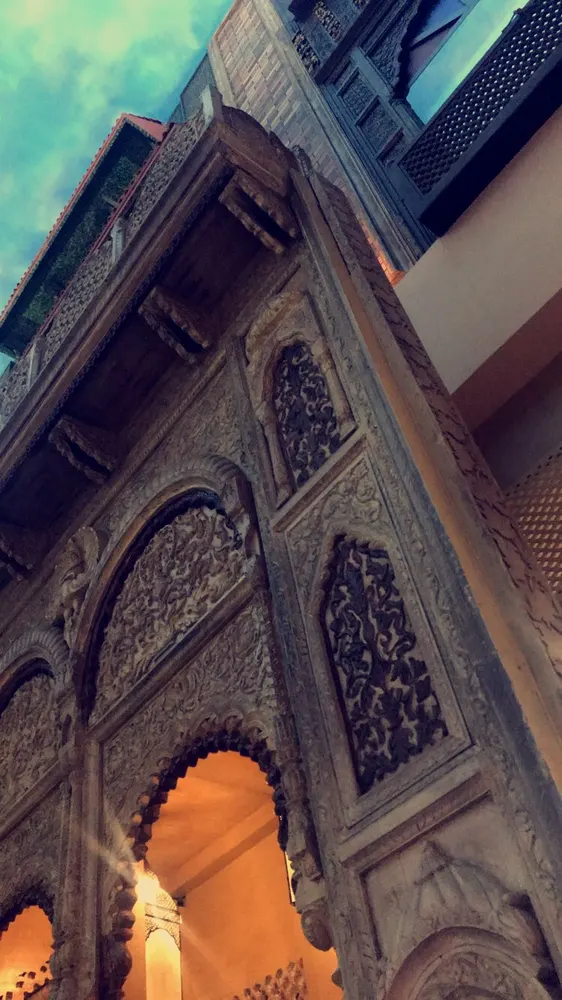
Look for thresholds, projecting upper levels, carved wood, internal courtyards glimpsed only where publicly visible, and the way a lane opens into a chowk. The contextual photograph used here illustrates an Ahmedabad pol streetscape rather than the named derasar, and its caption says so. Apply the same honesty to your own content: if a frame is representative rather than site-specific, label it. Never assign a house, carving or chabutra to this pol unless you photographed and verified it there.
Enter the derasar as a place of worship
Confirm current visitor and photography rules before entering. Dress modestly, remove footwear where required, silence devices and follow instructions from the temple community. Do not photograph the sanctum, ritual activity, objects or worshippers without explicit permission. Food, leather items and other belongings may be subject to local restrictions, so ask rather than assume. When a religious practice is unfamiliar, quiet observation is more respectful than live narration.
Use the official walk for orientation
AMC includes Shantinathji ni Pol on its morning heritage walk, which helps visitors understand the route from major monuments into smaller living spaces. Check the current booking page for timing, fees and included stops because operational details can change. With a guide, listen for distinctions between the pol, the derasar and later alterations. If walking independently, keep the group small and allow residents, deliveries and worshippers to pass first.
Build a consent-aware visual sequence
A useful sequence is the public lane, a wider chowk or chabutra view, one permitted exterior detail, the transition toward the derasar and a closing street frame. Avoid identifiable faces unless people agree to be filmed. Do not ask residents to recreate daily activity. Add a spoken note that the area is lived in and that the present temple structure reflects later renovation. This context makes the reel informative without turning privacy into content.
What responsible promotion looks like
Living heritage survives through residents, worship, maintenance and adaptation—not only old façades. Credit AMC for the historical record, date the visit and state any limits on access. If photography inside was not allowed, say so and rely on public exterior context. Beyond Soch can encourage people to join an official walk or visit thoughtfully while making one boundary clear: admiration does not create a right to enter, film or interpret private and sacred spaces without consent.