
Patra: A Gujarati Snack Guide to Leaves, Layers and Texture
Understand the spiral before the flavour
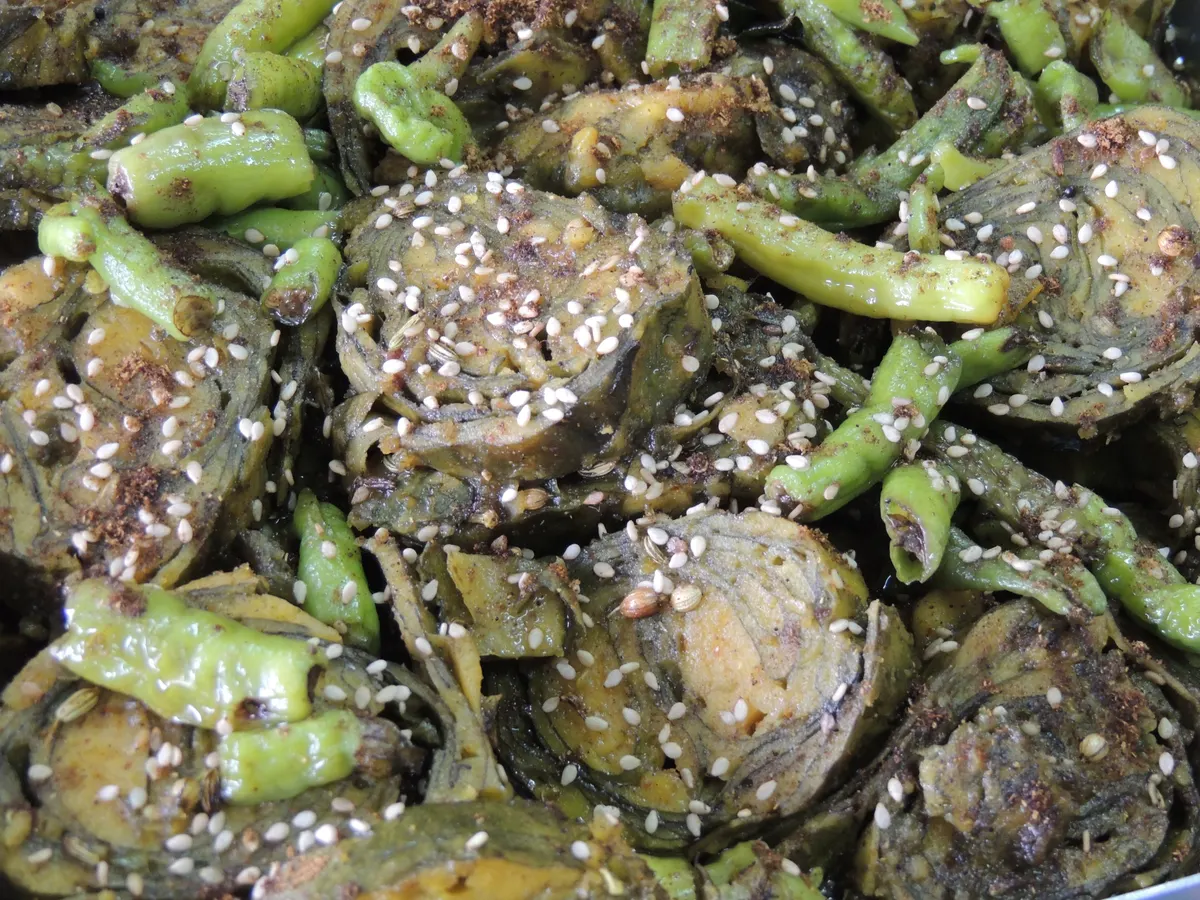
Gujarat Tourism describes patra—also called patrode or patarveliya—as colocasia leaves spread with a thick gram-flour and tamarind batter, then rolled, steamed and cut into roundels. That process explains the visible spiral. Each slice combines leaf and seasoned batter in repeated layers, so the texture should not be judged like a fried fritter or plain steamed cake. Look for a coherent roll that holds together while remaining tender enough to bite.
Notice the finishing step
The official description adds sesame tempering and shredded coconut, commonly paired with a sweet-and-spicy chutney. A vendor may serve a different finish, pan-sear the slices or add other garnishes. Ask how the current batch was prepared instead of assuming the photograph represents every version. Taste one piece before extra chutney so you can notice the leaf, gram flour, tamarind balance and seasoning separately.
Ask about ingredients and cross-contact
Colocasia leaf, gram flour, tamarind, sesame and coconut are part of the tourism description, but a shop’s recipe may include jaggery, spices, oil or additional ingredients. Ask directly about allergens, gluten cross-contact, peanuts, dairy and the frying or tempering medium relevant to you. Food colour and garnish cannot confirm a recipe. If staff cannot verify an ingredient for a serious allergy, do not rely on a general guide.
Use texture words precisely
A slice may feel soft, layered, slightly sticky, firm at the edge or crisp if pan-finished. Describe the actual serving rather than declaring one texture authentic. If the leaf is prominent, say so; if the batter dominates, say that instead. Avoid medical or digestive claims about colocasia leaves. This is a culinary guide, not a nutrition assessment, and individual ingredients or preparation methods can change suitability.
Order takeaway without flattening the layers
Ask the seller whether the batch is best eaten warm, at room temperature or reheated in a particular way. Pack chutney separately and keep delicate slices from being crushed under heavier farsan. Do not invent a storage duration; follow instructions for the specific product and discard food that has been held unsafely. For group orders, confirm weight, slice count or serving size directly because roundel thickness varies.
Film the process only with permission
The rolling and slicing stages are visually clear, but a commercial kitchen is a working environment. Arrange access, keep equipment away from food-contact surfaces and do not film staff or customers without consent. Confirm ingredient names with the maker before putting them on screen. If you only captured the finished product, do not imply that you observed the entire preparation. A clean cross-section and verified explanation are enough for a useful reel.
Build a local-food story without rankings
Open with the whole serving, show the spiral, identify confirmed accompaniments, record one specific texture observation and close with current ordering information. Name the maker accurately and date the footage. Disclose any gifted or paid arrangement. Avoid best-in-Ahmedabad or original claims unless evidence supports them. The practical value is helping a first-time diner understand the leaf-and-batter construction, ask allergy questions and protect the texture during takeaway.