
Sardar Patel National Memorial: A Thoughtful Ahmedabad Museum Guide
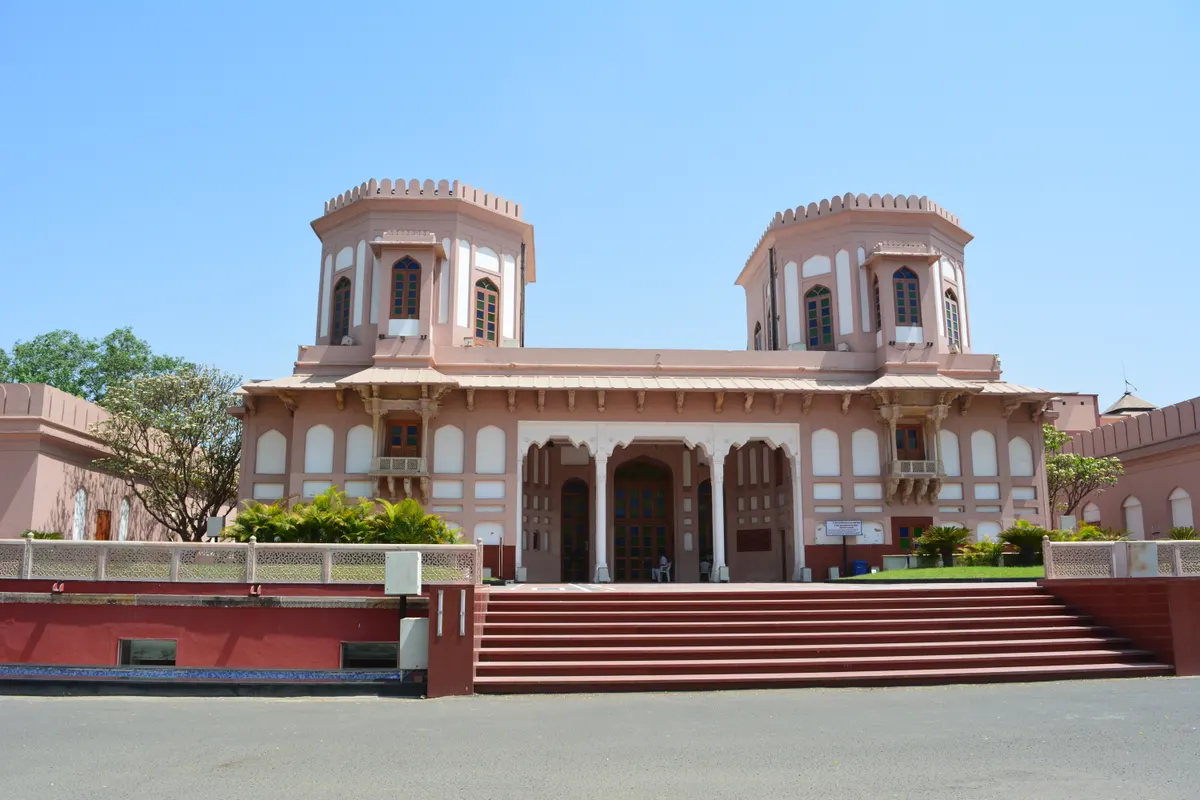
Know the purpose before entering
AMC Heritage City identifies the Sardar Vallabhbhai Patel National Memorial as a museum and exhibition centre dedicated to the political and social leader and his role in India’s freedom struggle and national integration. That description gives a useful editorial focus: this is a place to follow documents, objects and interpretation, not simply a grand building to photograph. Decide whether your priority is biography, the freedom movement, integration or architecture, because trying to capture every theme in one short visit can produce a shallow story.
Read the museum in chronological layers
Begin with the introductory panel and note the curatorial timeline before stopping at individual objects. Dates, offices and events are easier to understand when they remain connected to a sequence. Photograph labels only where the museum permits it, and keep enough of the label in frame to identify the object later. Do not reconstruct a quote from memory after leaving; write it down accurately or paraphrase with a source. A simple notes file with gallery, object, date and why it matters will prevent caption errors.
Separate the memorial from the building
The site works on two levels: an institutional memorial and an architectural setting. Give each its own frame. Outside, make an establishing photograph that shows the approach and façade without blocking entry. Inside, let the exhibition design guide the story and avoid using the architecture as proof of a historical claim it does not establish. If a gallery or wing is closed, document the limitation instead of implying that your reel covers the complete collection.
Confirm current visitor information directly
Museum hours, ticketing, photography rules, galleries and special presentations can change. Check the memorial or the responsible local authority before travelling, especially if your visit depends on a particular display. AMC’s tour pages place the memorial within wider Ahmedabad circuits, but tour schedules are not a substitute for direct confirmation of museum access. Build buffer time for security, orientation and reading. Avoid publishing exact operational details unless they were checked on the date shown in the article or reel.
Practice respectful museum photography
Turn off flash unless it is explicitly allowed, keep bags and tripods away from cases, and never touch an exhibit. Do not film other visitors closely without permission. Reflections on glass can usually be reduced by changing your angle instead of placing the lens against a case. One clear photograph of an object with its verified caption is more useful than many hurried images. If photography is prohibited, create a text-led recap using your own exterior image and facts from authorised sources.
Create a compact learning route
For a first visit, choose three questions: What shaped Patel’s public role? How does the exhibition explain national integration? Which original object, document or display best supports that explanation? Answering those questions produces a coherent article even if the museum contains much more. Include what the label says, what you observed and what remains uncertain as separate points. This method respects the difference between evidence and interpretation and helps readers continue their own research.
A responsible Beyond Soch reel angle
Open with the exterior, move to a permitted orientation panel, focus on one verified theme and close with a reason to visit the institution itself. Do not use fictional dialogue, AI-generated archival scenes or unattributed historical footage as documentary evidence. Date the visit and credit any archival material exactly as required. The promotional value comes from clarity: viewers should understand what kind of museum this is, how to prepare and why first-hand engagement with preserved sources is more valuable than a collection of motivational quotations.